 0488 380 476
 info@procashforcars.com.au
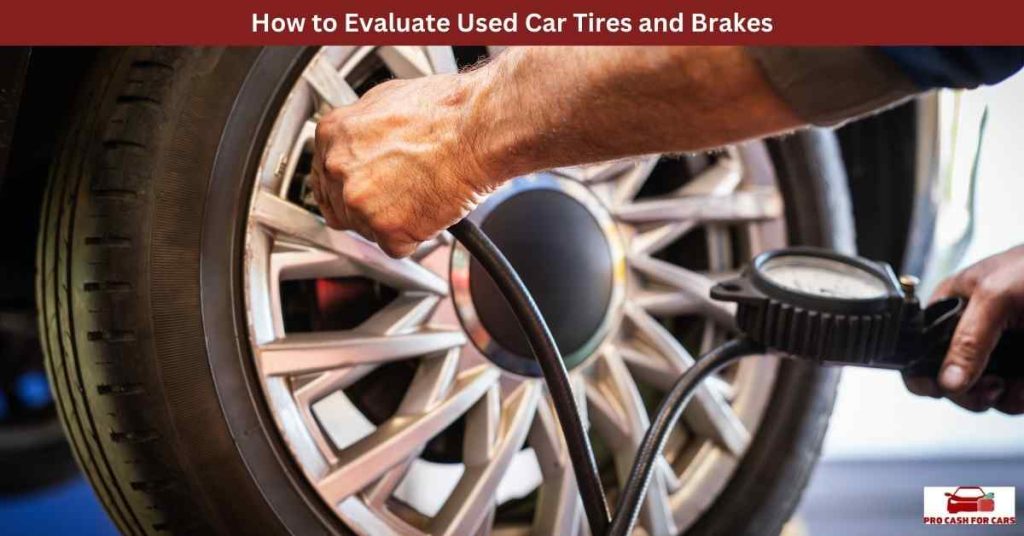
When buying a used car, most people focus on the engine, exterior, and interior but tires and brakes are just as important. They’re essential for safety, performance, and long-term costs. Ignoring them can lead to expensive repairs or even accidents down the line. Evaluating tires and brakes properly helps you make a confident, informed decision before handing over your hard-earned money.
Here’s a detailed guide to checking tires and brakes on a used car.
Why tires and brakes matter in used cars
Tires and brakes are the main points of contact between the car and the road. Worn or damaged components can affect:
- Stopping distance and safety
- Fuel efficiency
- Ride comfort
- Vehicle handling
Even if a car looks perfect cosmetically, poor tires or brakes can make it unsafe or costly to maintain.
How to check the tires
- Inspect tread depth
Tread depth affects grip, especially in wet conditions. In Australia, the legal minimum tread depth is 1.5mm, but anything below 3mm is considered worn. Use a tread depth gauge or a simple coin test to check depth across all four tires. Uneven wear could indicate suspension issues or alignment problems. - Look for cracks or bulges
Sidewall cracks, splits, or bulges are signs of aging or internal damage. Any noticeable bulge is a serious safety risk and should be treated as a red flag. - Check for uneven wear patterns
Uneven wear might indicate:
- Misalignment
- Worn suspension components
- Improper tire pressure
Even if the tread is acceptable, uneven wear can signal future problems.
- Confirm tire age
Tires degrade over time, even if they have plenty of tread. Check the DOT code on the sidewall to see the manufacturing date. Tires older than six years may need replacement, regardless of tread depth. - Match and condition
All four tires should ideally be the same brand, model, and size. Mismatched tires can affect handling and braking performance.
How to check brakes
- Listen for unusual sounds
When you test-drive the car, pay attention to:
- Squealing or grinding noises (worn pads)
- Clicking or thumping (possible rotor issues)
- Soft or spongy pedal feel (air in brake lines or fluid problems)
Any abnormal noise or feeling is worth further investigation.
- Check brake pad thickness
Brake pads should have at least 3–4mm of material remaining. You can usually see them through the wheel spokes or by asking the seller to remove the wheel during inspection. Pads worn below this level will need immediate replacement. - Inspect brake discs/rotors
Look for grooves, scoring, rust, or warping. Minor surface rust on the discs is normal if the car has been sitting, but deep grooves or uneven wear indicate the rotors may need resurfacing or replacement. - Test braking performance
During a test drive, gently brake at different speeds:
- The car should stop smoothly and in a straight line
- No pulling to one side
- No vibrations through the brake pedal
Problems here can indicate brake caliper issues, worn pads, or warped rotors.
- Check brake fluid condition
Brake fluid absorbs moisture over time, which reduces braking efficiency. If possible, check the fluid in the master cylinder: it should be clear or slightly yellow, not dark or cloudy.
Why evaluating tires and brakes is essential for costs
Tires and brakes are among the most expensive maintenance items on a used car. Replacing all four tires or major brake components can cost hundreds or even thousands of dollars, depending on the vehicle. Knowing their condition upfront allows you to:
- Negotiate a fair price
- Budget for near-future replacements
- Avoid safety risks after purchase
How professional inspections help
Even if you feel confident, a professional pre-purchase inspection is a smart investment. Mechanics can identify subtle issues you might miss, such as:
- Uneven brake pad wear hidden behind wheels
- Warped rotors or caliper problems
- Suspension alignment issues affecting tire wear
A detailed inspection gives peace of mind and can prevent costly surprises.
Red flags to watch for
Some warning signs indicate you should either walk away or negotiate heavily:
- Tires with uneven or excessive wear
- Cracks, bulges, or mismatched tires
- Squealing, grinding, or pulling during braking
- Spongy or soft brake pedal
- Leaks from brake lines or master cylinder
Ignoring these issues can compromise safety and add significant costs after purchase.
How to maintain tires and brakes after purchase
Once you’ve purchased a used car, proper maintenance extends the life of tires and brakes:
- Rotate tires every 10,000–12,000 km
- Keep tires inflated to recommended pressure
- Inspect pads and discs every 15,000 km
- Flush brake fluid every 2–3 years
Regular maintenance ensures the car remains safe, reliable, and cost-effective.
Tires and brakes are critical for both safety and long-term costs when buying a used car. Taking the time to evaluate tread, alignment, pads, discs, and braking performance can prevent surprises and save you money. With careful inspection, a test drive, and professional guidance if needed, you can be confident that the car you’re buying is safe and road-ready from day one.
If you are in Para Hills, and looking for a car removal service, this is the best way to visit us.
1768 Main N Rd, Salisbury Plain SA 5109
0488 380 476
