 0488 380 476
 info@procashforcars.com.au
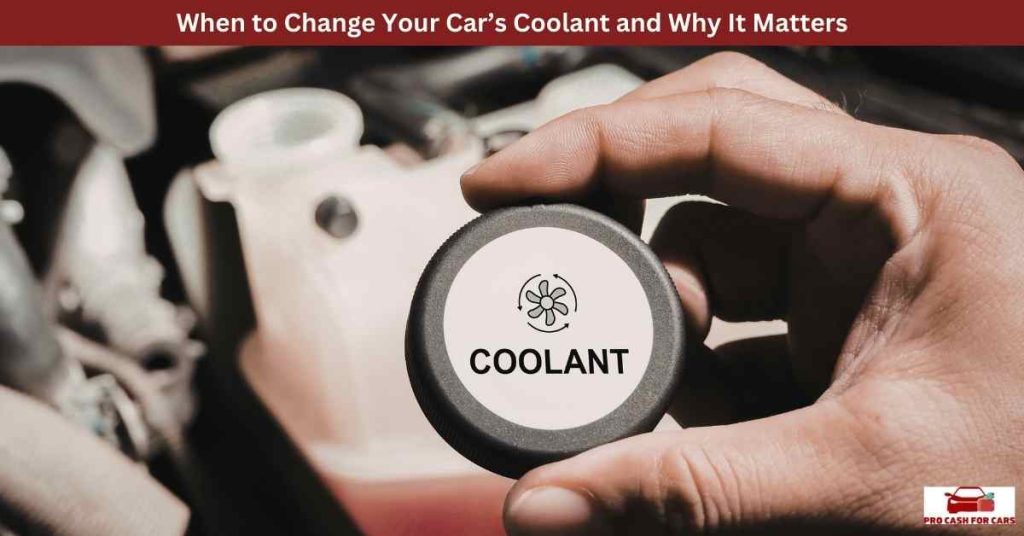
Coolant is one of those things most drivers don’t think about until something goes wrong. When it’s doing its job, you don’t notice it at all. When it fails, the results can be expensive very quickly.
Knowing when to change your car’s coolant, and why it matters, can help prevent overheating, engine damage, and unexpected breakdowns, especially in Australian driving conditions.
What does engine coolant actually do?
Coolant regulates your engine’s temperature and protects it from internal damage.
It:
- Prevents overheating in hot weather
- Stops freezing in colder conditions
- Protects metal components from corrosion
- Helps the engine warm up efficiently
Despite the name, coolant works year-round. It’s just as important in summer traffic as it is on cold winter mornings.
How often should you change your car’s coolant?
Most vehicles need a coolant change every 2 to 5 years, depending on the car and the type of coolant used.
General guidelines:
- Older vehicles: every 2 years
- Modern vehicles with long-life coolant: every 4–5 years
- High-kilometre or hard-used cars: sooner
Always check the owner’s manual for the manufacturer’s recommendation. Waiting too long allows corrosion and sludge to build up inside the cooling system.
What happens if coolant is not changed on time?
Old coolant loses its protective properties.
When that happens:
- Rust forms inside the radiator and engine
- Cooling efficiency drops
- Water pump seals wear faster
- The engine is more likely to overheat
We often see vehicles come through car removal and cash for cars services with cooling system failure caused by neglected coolant. In many cases, the damage could have been avoided.
How can you tell if your coolant needs replacing?
Some warning signs are easy to spot.
Look out for:
- Coolant that looks brown, rusty, or cloudy
- A sweet or burnt smell from the engine bay
- Rising temperature gauge
- Visible leaks or low coolant levels
Clean coolant is usually bright green, red, blue, or pink, depending on the type. If it looks dirty or thick, it’s time for a change.
Is topping up coolant the same as replacing it?
No. Topping up helps maintain the level, but it doesn’t refresh the coolant’s protective additives.
A proper coolant change involves:
- Draining the old coolant
- Flushing the system if needed
- Refilling with the correct coolant type and mixture
Mixing incompatible coolants or using plain water can reduce performance and cause long-term damage.
Why is coolant especially important in Australian conditions?
Australian summers put extra stress on engines.
High temperatures, long drives, towing, and stop-start traffic all increase heat load. A neglected cooling system may cope in mild weather but fail under summer pressure.
Reliable coolant helps:
- Maintain stable engine temperatures
- Protect against overheating in traffic
- Extend engine life
Does coolant condition affect resale or cash for cars value?
Yes. Cooling system issues are a major red flag when assessing a vehicle.
Cars with:
- Overheating problems
- Corroded radiators
- Blown head gaskets
are worth significantly less. Regular coolant maintenance signals that the car has been looked after, which can improve resale value or cash for cars offers.
Can changing coolant prevent major engine repairs?
In many cases, yes.
Fresh coolant:
- Reduces internal corrosion
- Protects seals and gaskets
- Helps the cooling system operate efficiently
Compared to the cost of an engine rebuild, a coolant change is one of the cheapest forms of preventative maintenance.
Coolant might not get much attention, but it plays a huge role in keeping your car running smoothly. Changing it at the right time protects your engine, improves reliability, and saves money in the long run. Whether you’re planning to keep your car for years or preparing it for sale, looking after the cooling system is a simple step that makes a real difference.
If you are in Hillbank, and looking for a cash for cars service, this is the best way to visit us.
1768 Main N Rd, Salisbury Plain SA 5109
0488 380 476
