 0488 380 476
 info@procashforcars.com.au
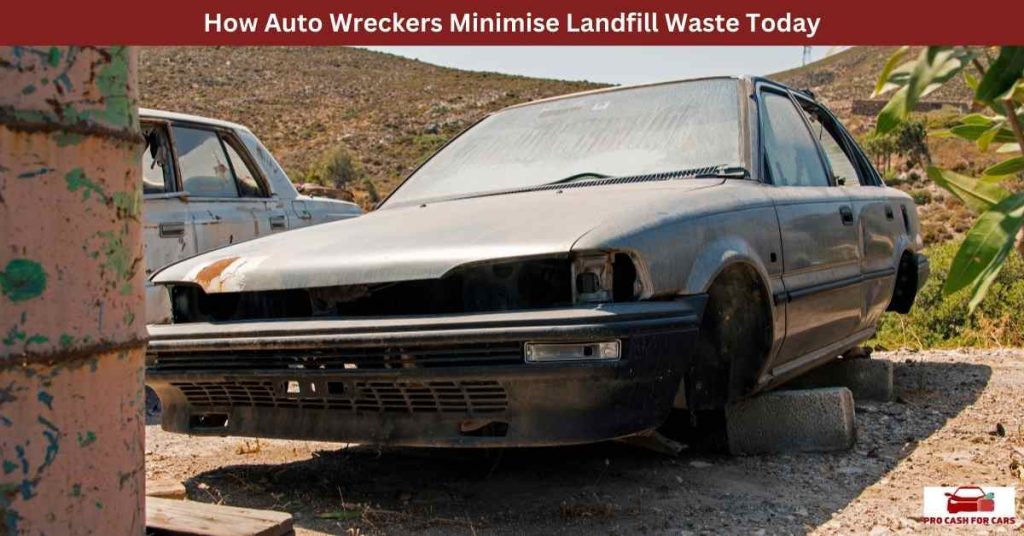
The number of vehicles reaching the end of their lifespan continues to grow every year. Without proper handling, old cars could create a significant amount of landfill waste and environmental pollution. This is where professional auto wreckers play an important role in the automotive recycling industry.
Modern auto wreckers focus on reducing waste by recycling, reusing, and responsibly disposing of vehicle components. Their processes are designed to ensure that as much of the vehicle as possible is recovered and reused instead of ending up in landfills.
Careful Vehicle Dismantling
One of the first steps auto wreckers take is carefully dismantling vehicles. Instead of crushing cars immediately, they remove valuable and reusable components before processing the remaining materials.
Parts that are commonly removed include:
- Engines
- Transmissions
- Alternators
- Starter motors
- Doors, mirrors, and body panels
- Interior components
By salvaging these parts, wreckers allow them to be reused in other vehicles, reducing the demand for new parts and preventing unnecessary waste.
Recycling Metal Components
Vehicles are made largely from metals such as steel and aluminium. These materials can be recycled repeatedly without losing their quality, making them extremely valuable in the recycling process.
After usable parts are removed, the remaining metal structure is typically crushed and sent to metal recycling facilities. The metal is then melted and reused to manufacture new products, including new vehicles and construction materials.
Recycling vehicle metal helps reduce mining activities and saves large amounts of energy compared to producing metal from raw materials.
Safe Removal of Hazardous Fluids
Old vehicles contain several fluids that can be harmful to the environment if not handled properly. Responsible auto wreckers carefully remove and manage these fluids before dismantling the vehicle.
Common fluids that must be safely drained include:
- Engine oil
- Brake fluid
- Transmission fluid
- Coolant
- Fuel
These fluids are collected and either recycled or disposed of according to environmental regulations. This prevents them from contaminating soil and water systems.
Reusing Functional Auto Parts
Many components in older vehicles still function well even when the car itself is no longer roadworthy. Auto wreckers inspect these parts and make them available as affordable used components.
Drivers and repair shops often purchase these recycled parts as a cost-effective alternative to brand new ones. This helps extend the life of many vehicle components while reducing manufacturing demand.
Reusing parts also reduces the amount of material that would otherwise be discarded.
Recycling Plastics and Other Materials
Modern vehicles contain a variety of materials beyond metal. Plastics, rubber, glass, and electronic components are commonly found in different parts of a car.
Professional wreckers sort these materials and send them to specialised recycling facilities whenever possible. For example:
- Tyres can be processed into rubber products or road materials
- Glass from windows can be recycled into new glass products
- Certain plastics can be repurposed into new automotive or industrial items
By separating and recycling these materials, auto wreckers significantly reduce the amount of waste sent to landfills.
Responsible Battery Recycling
Car batteries contain chemicals and heavy metals that must be handled carefully. Auto wreckers remove batteries from vehicles and send them to specialised recycling centres.
Battery recycling allows materials such as lead and plastic to be recovered and reused. This process helps prevent toxic substances from entering the environment while reducing the need to extract new raw materials.
Responsible battery handling is an essential part of environmentally friendly vehicle recycling.
Advanced Recycling Technology
The vehicle recycling industry has improved significantly over the years. Many auto wrecking facilities now use advanced equipment to separate and process materials more efficiently.
Modern recycling technology allows for higher recovery rates of metals and other materials, meaning less waste ends up in landfills. This technology also helps reduce the environmental impact of vehicle disposal.
As recycling processes continue to improve, the automotive industry becomes more sustainable.
Encouraging Responsible Vehicle Disposal
Car owners also play a role in reducing landfill waste. When a vehicle reaches the end of its life, choosing a professional auto wrecker ensures that the car is processed responsibly.
Instead of abandoning vehicles or sending them directly to landfills, selling them to a reputable recycling service helps ensure that most of the vehicle is reused or recycled.
This simple decision contributes to environmental protection and supports the growing circular economy in the automotive industry.
Environmental Benefits of Auto Recycling
The work done by auto wreckers has a major impact on reducing waste and conserving resources. By recovering parts, recycling metals, and safely handling hazardous materials, they help keep large amounts of automotive waste out of landfills.
These efforts support cleaner environments, reduce resource consumption, and encourage sustainable practices in the automotive sector.
For vehicle owners with old, damaged, or unwanted cars, selling to an auto recycler is not only convenient but also an environmentally responsible choice.
If you are in Mawson Lakes, and looking for a cash for cars service, this is the best way to visit us.
1768 Main N Rd, Salisbury Plain SA 5109
0488 380 476
